The only thing greater than fear? Hope.
Welcome! Hope Abounds Collective is a survivorship-focused wellness and encouragement space offering faith-focused encouragement and resources supporting women navigating life after hard challenges, or moving forward after serious illness. Like me.
MEET THE FOUNDER & believer in hope
Hi, I'm Sharon
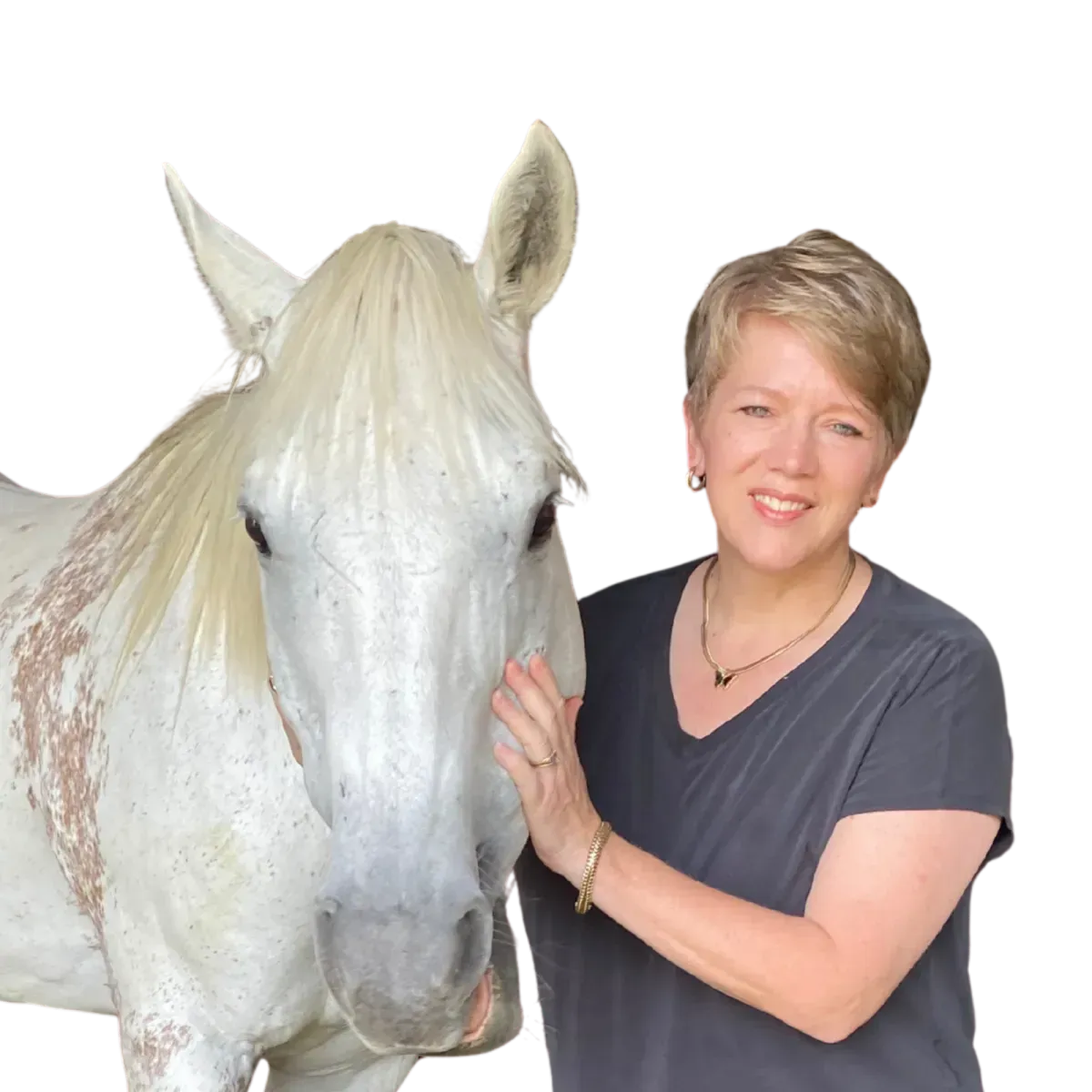

Welcome to Hope Abounds Collective! This is a space dear to my heart. Cultivated from my healing journey from over 13 years ago, the goal is to share encouragement, resources, and hope with others.
Whether you are facing a challenge yourself or walking alongside someone who is, this space is thoughtfully designed to provide hope, guidance, and reassurance that you do not have to navigate the journey alone.
God provided a beautiful space for me to walk on hard and healing days. On paths mowed through the woods by my husband. For years.
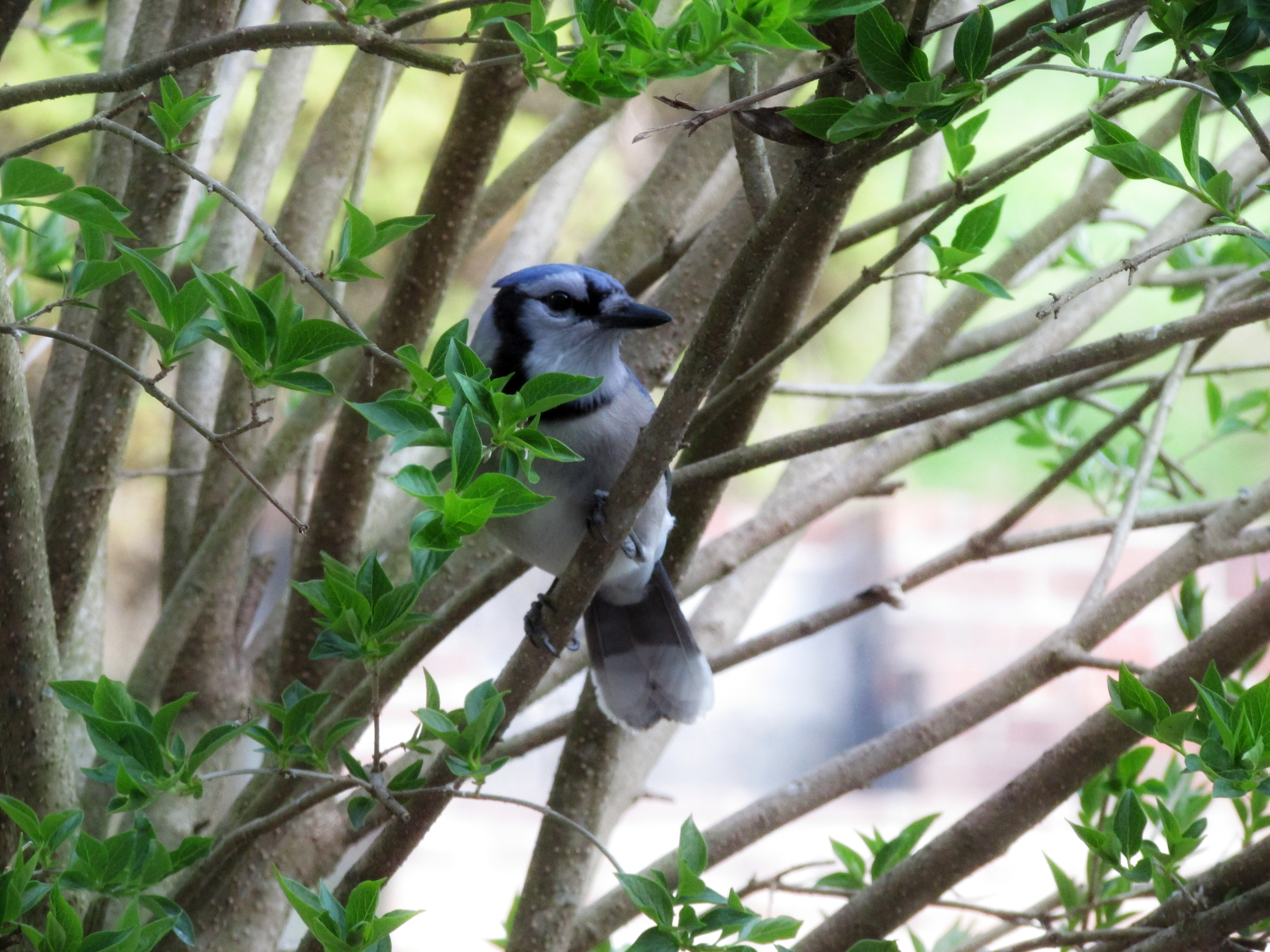
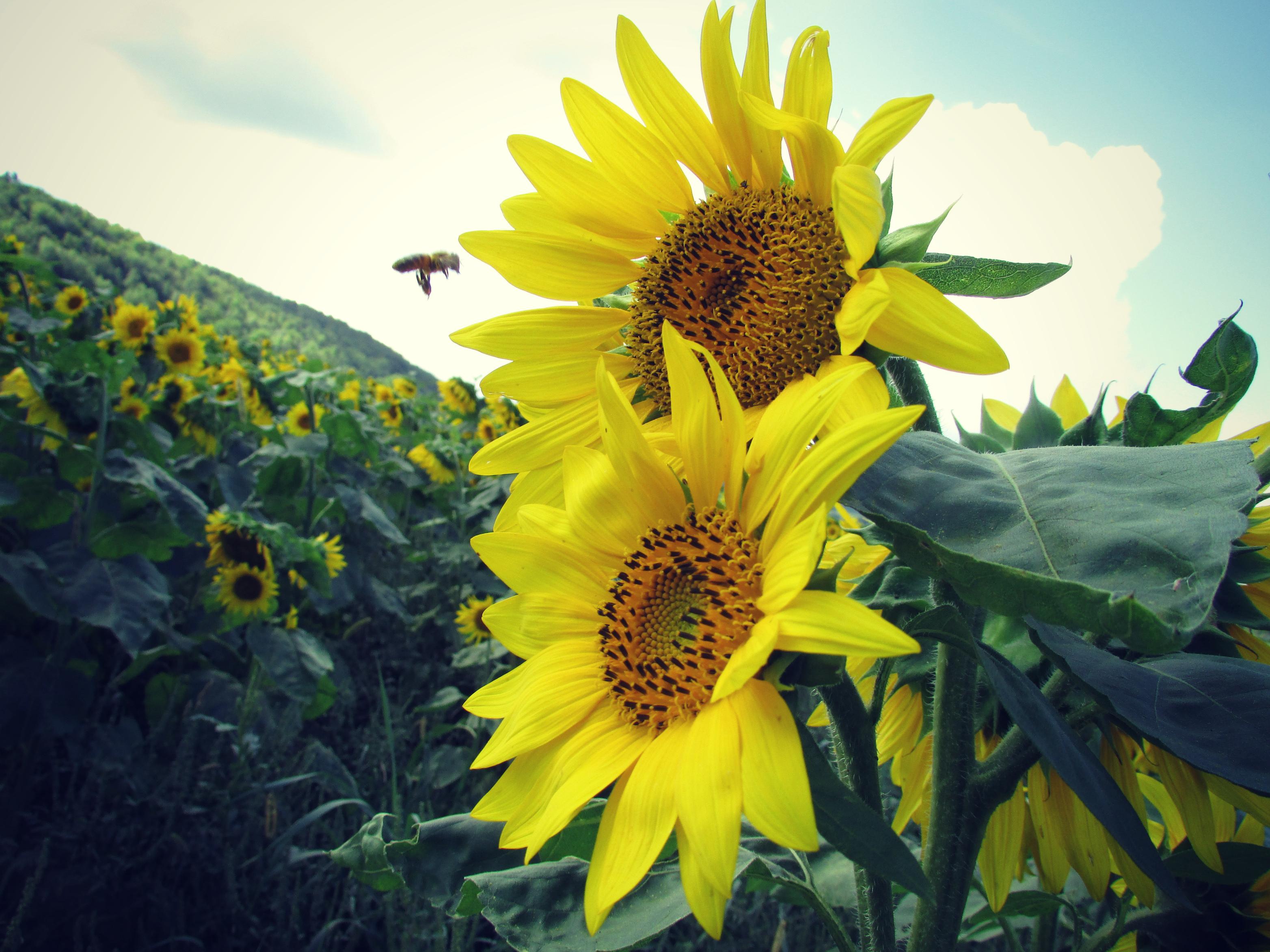
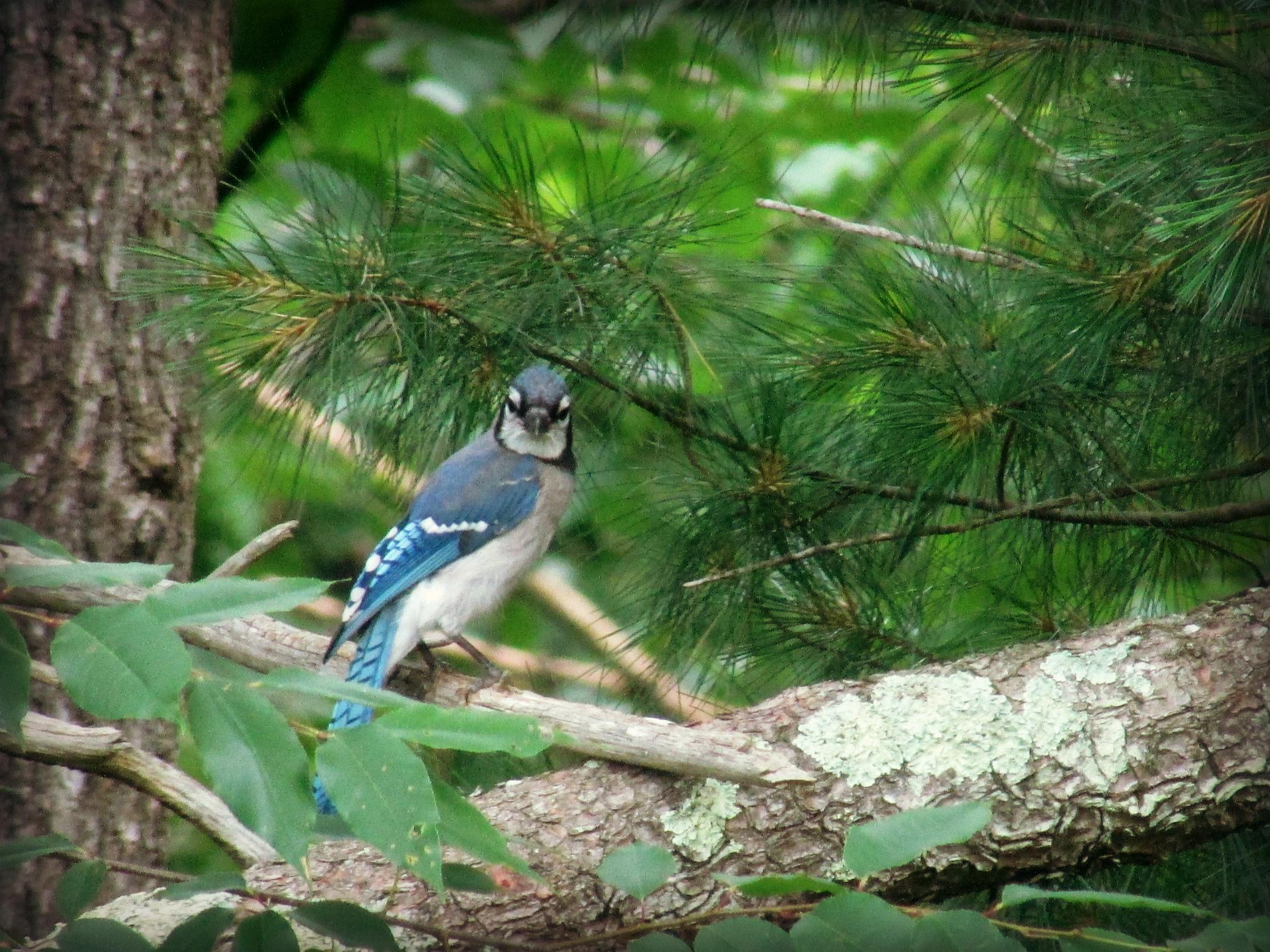
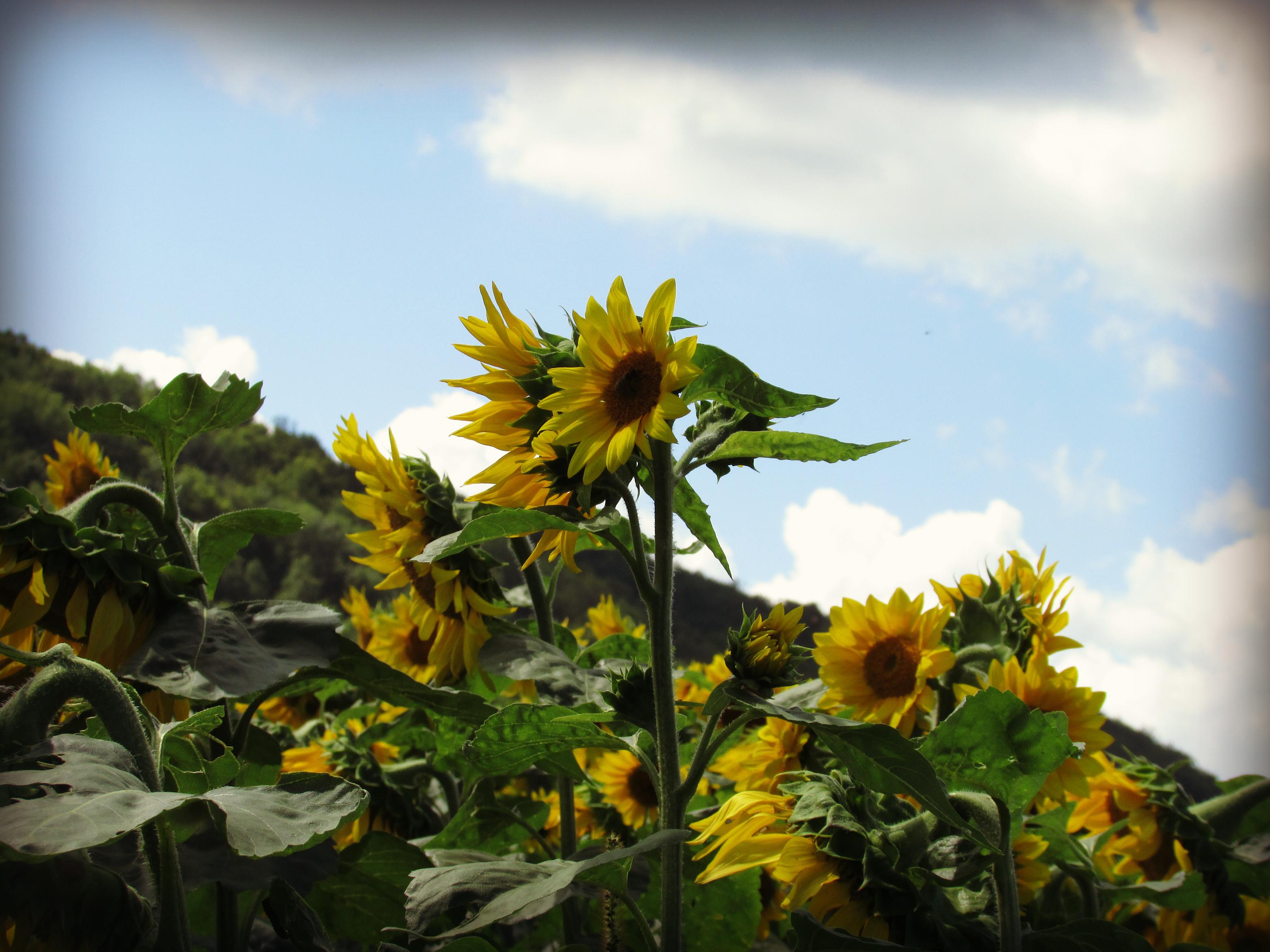
Most of the nature scenery photos on this site were taken by me on those kind walks where God listened to my hopes and hurts and shared some of his heart with me through the grace, power, and lovely creation on the path. I hope you find such places to enjoy on your own journey.
Believer in the Hope found in Jesus Christ
NED since 2013
Medicine helped in crisis twice. Nutrition is what gave me hope for healing the second time.
2017: Essential oils became a beautiful addition to my wellness toolkit.
2024: Patented peptide support patches joined my wellness toolkit and have been a phenomenal, life-changing addition.
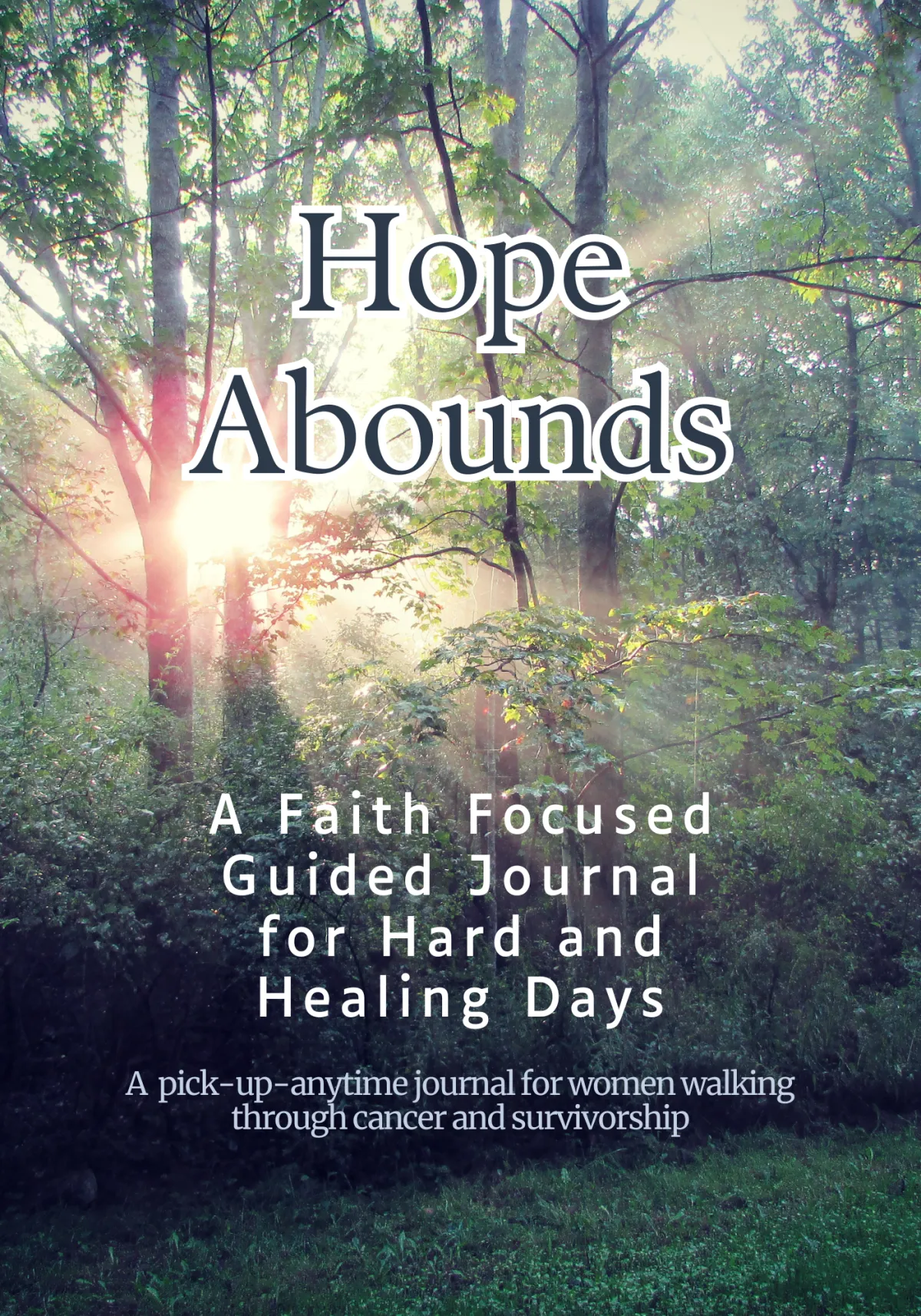
Guided Journal
Faith focused
For the hard + healing + hopeful days
This Hope Abounds journal was created for the days when you don’t have the words—and for the days when you have too many.
For the moments when your faith feels steady, and for the moments when it feels distant.
You don’t have to show up strong here.
You don’t have to find the “lesson.”
You don’t have to rush your healing.
You are allowed to be honest.
You are allowed to rest.
You are allowed to still hope—even if that hope feels small.
God is not waiting for a better version of you.
He is here, in this version of you.
Come back to these pages anytime.
There is no falling behind here.
Hope still abounds—even here.
who this is for
This Journal is for You If
• You are navigating life after cancer or illness
• You feel emotionally or physically different than before
• You are in a season of rebuilding or rediscovering yourself
• You want a gentle way to process your thoughts and faith
• You need something simple, not overwhelming
✶ this information is for informational purposes only and is never intended to treat, diagnose, or curse any disease ✶ consult your healthcare professional for medical advice ✶
✶ MEANINGFUL RESOURCES ✶ HOPE-FILLED ENCOURAGEMENT ✶
✶ Testimonials ✶
some kind words from our clients
note about our testimonials: nothing shared is intended to treat, diagnose, or cure any disease. testimonials are a personal story for information and education only. and every person should consult their own medical professional before starting a new healthcare regimen.
“
Resource Testimonial: Peptide Support Patches
"I feel like I got my life back. My knee mobility has greatly increased. Thank you for introducing me!
★★★★★
— Donna S.
“
Product Testimonial: Hope Abounds Guided Journal
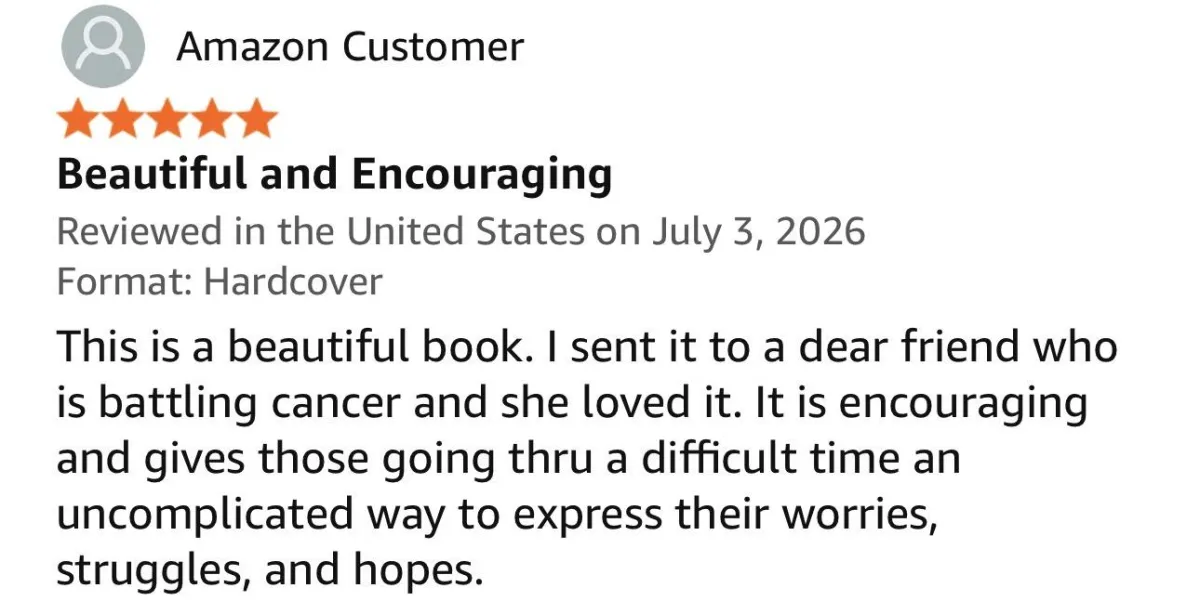
"I am so excited about this journal for women walking through cancer and survivorship. I've ordered one for a friend that I think will love it."
★★★★★
— Val C.
“
Resource Testimonial: Peptide Support Patches
"We are always encouraged to ask our medical providers before beginning a new health regimen. I spoke with my kidney specialist about this natural wellness support patch. I was astonished and happy when he said, "ABSOLUTELY. You are so wise to be doing this!"
★★★★★
— Sharon O.
“
Product Testimonial: Hope Abounds Guided Journal
"I will be sharing this resource with my ladies Bible study; there are so many women walking through cancer and survivorship. This is a resource they can pick up any time that is faith-focused, beautiful, and timely."
★★★★★
— Robin C.
“
Resource Testimonial: Peptide Support Patches
"My wife introduced me to the patches and I have used them since August 2024. I'm a skeptic. But I have noticed a general sense of well-being, better sleep, and my endocrinologist has been really happy with my lab reports. I take many medications and the patches do not interfere with my medications."
★★★★★
— Tom O.
more testimonials
"I'm so glad I found your page."
Jean S. - Fellow Cancer Survivor

"I am so excited to get started patching!"
Denise O., June 2026
here is My Gift For You
Get This Free Resource:
FOUR REFLECTIONS ON FOLLOWING HOPE
The New
The
There is always, ALWAYS, hope
Complete the form below to access your Free gift
✶
NEWSLETTERS
DON'T MISS OUT ON UPDATES!
Hope Abounds Collective email updates will arrive quietly in your email inbox periodically.


View our Privacy Policy and Terms and Conditions here.
© 2026. All Rights Reserved.
May our Lord Jesus Christ himself and God our Father, who loved us and by his grace gave us eternal encouragement and good hope, encourage your hearts and strengthen you in every good deed and word.
2 Thessalonians 2:16-17